Headache / Migraine
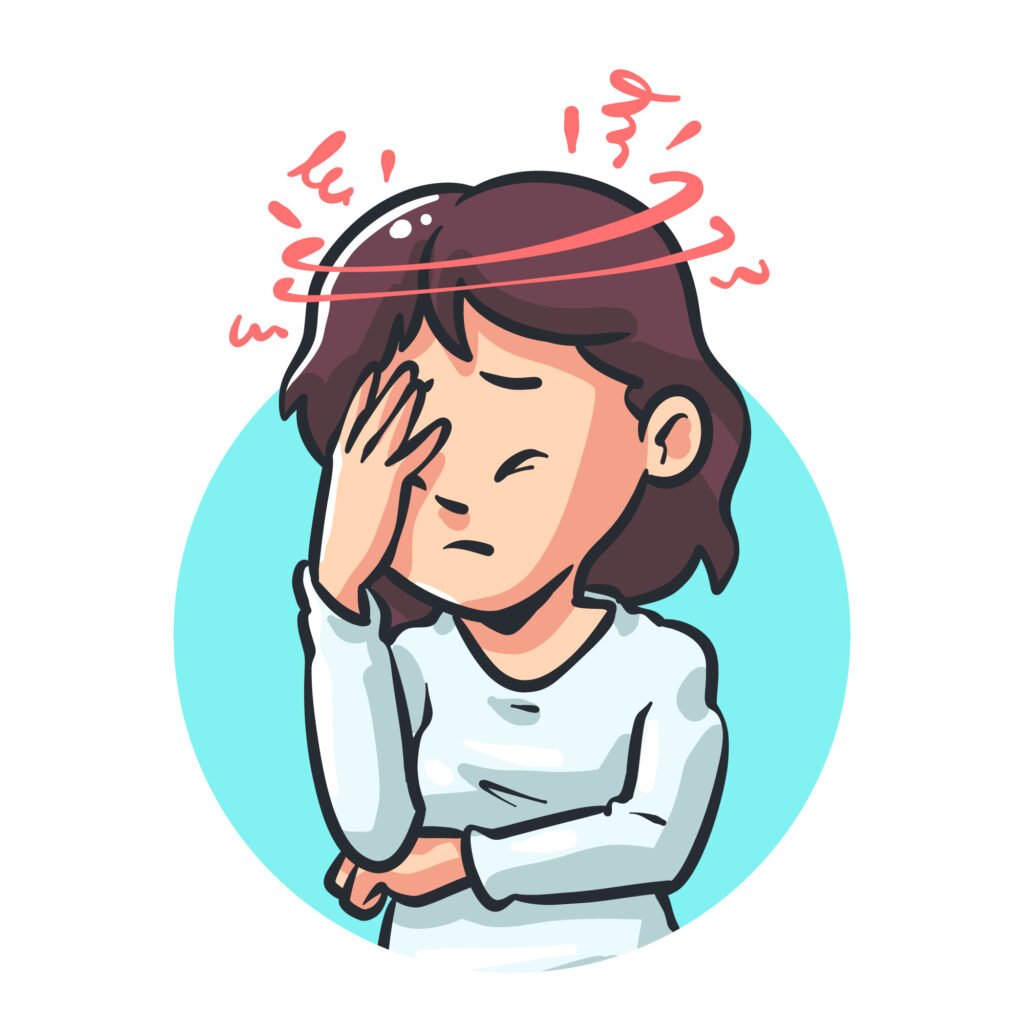
Headaches are one of the most common neurological complaints, ranging from mild tension‐type headaches to severe, disabling migraines. Understanding the differences between various types of headaches empowers you to recognize warning signs, seek appropriate care and explore effective treatments to restore comfort and quality of life.
What Are Headaches and Migraines?
Headaches refer to pain or discomfort in the head, scalp or neck, often caused by muscle tension, stress or vascular changes. Migraines are a specific headache disorder characterized by recurrent, moderate to severe throbbing pain—usually on one side of the head—often accompanied by nausea, sensitivity to light or sound, and visual disturbances called auras.
For an in-depth overview, visit the American Migraine Foundation.
Signs and Symptoms
Recognizing the pattern and associated features helps differentiate migraines from other headaches.
| Symptom/Feature | Tension-Type Headache | Migraine |
|---|---|---|
| Pain Quality | Dull, aching “band-like” pressure around the head | Throbbing, pulsating pain, often unilateral |
| Intensity | Mild to moderate | Moderate to severe, limiting daily activities |
| Duration | 30 minutes to several hours | 4 to 72 hours |
| Associated Symptoms | Rarely nausea; mild sensitivity to light or sound | Nausea, vomiting, photophobia, phonophobia |
| Aura (Neurological Signs) | None | Visual (flashing lights), sensory or speech disturbances |
| Aggravating Factors | Stress, poor posture, eyestrain | Physical activity, bright lights, loud noises |
These clinical features may overlap. A detailed evaluation by a neurologist can pinpoint your headache type and guide treatment.
Causes and Risk Factors
Headache and migraine triggers vary by individual but often include:
Genetic Predisposition: Family history of migraines increases risk.
Hormonal Fluctuations: Estrogen changes during menstrual cycles, pregnancy or menopause.
Stress and Sleep Deprivation: Emotional stress and irregular sleep patterns.
Dietary Triggers: Caffeine, alcohol, aged cheeses, processed meats and food additives.
Environmental Factors: Bright lights, strong odors, weather changes or high altitudes.
Medication Overuse: “Rebound” headaches from frequent painkiller use.
Explore lifestyle strategies on the National Headache Foundation.
How Headaches and Migraines Are Diagnosed
Clinical History & Headache Diary: Detailed record of headache frequency, severity, triggers and response to treatments.
Physical and Neurological Exam: Assessment of vital signs, cranial nerves and muscle tension.
Imaging (if indicated): MRI or CT scan to rule out secondary causes such as tumors or vascular malformations.
Diagnostic Criteria: Application of International Headache Society guidelines to classify headache type.
Dr. Singh applies a patient-centered approach, combining thorough history-taking with advanced diagnostics to develop an accurate diagnosis.
Treatment and Management
Effective headache and migraine care often involves a multi-modal approach:
Acute Medications: NSAIDs (ibuprofen), triptans (sumatriptan) and antiemetics for immediate relief.
Preventive Therapies: Beta-blockers, antidepressants, anticonvulsants and CGRP inhibitors to reduce attack frequency.
Behavioral Interventions: Biofeedback, cognitive-behavioral therapy and relaxation techniques.
Lifestyle Modifications: Regular sleep, hydration, balanced diet and stress management.
Complementary Therapies: Acupuncture, massage and magnesium supplementation may provide additional benefit.
Discover detailed treatment options on our Treatments page.
Taking the Next Step
If headaches or migraines significantly impact your daily life, early evaluation can optimize outcomes.
Schedule your consultation via our Book Appointment page.
For questions or support, visit our Contact Us page.
Return to our Home page for ongoing resources and updates.