Neuropathy and Myopathy
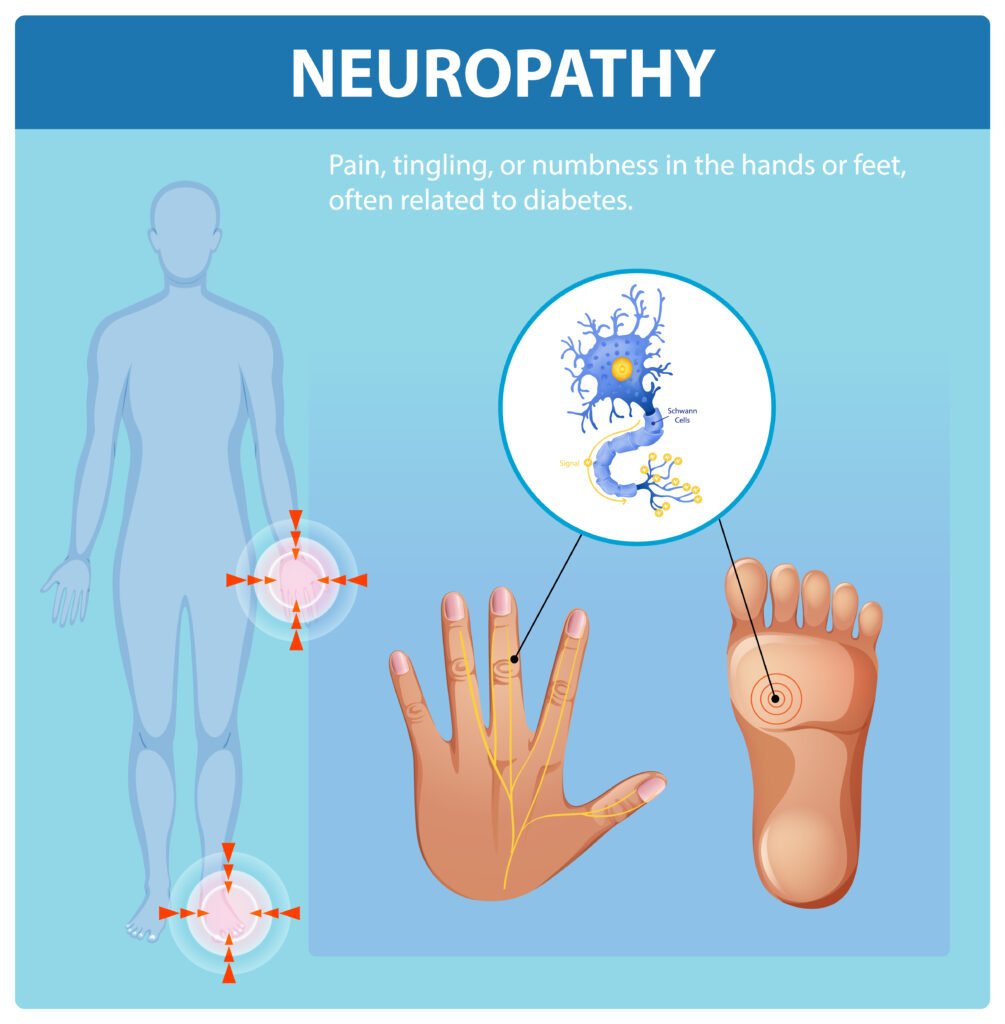
Neuropathy and myopathy are neurological conditions that affect nerves and muscles, respectively. While neuropathy involves damage to peripheral nerves—impacting sensation, movement and autonomic functions—myopathy refers to disorders of the muscle fibers themselves, leading to weakness and fatigue. Understanding these conditions helps you recognize symptoms early, pursue accurate diagnosis and access targeted therapies to optimize function and quality of life.
What Is Neuropathy?
Peripheral neuropathy occurs when nerves outside the brain and spinal cord are damaged by injury, systemic diseases or toxins. It can affect sensory nerves (feeling), motor nerves (movement) and autonomic nerves (involuntary functions).
For an overview of nerve disorders, visit the National Institute of Neurological Disorders and Stroke.
What Is Myopathy?
Myopathies are disorders of skeletal muscle fibers that impair the muscle’s ability to contract. They can be inherited (e.g., muscular dystrophies) or acquired (e.g., inflammatory myopathies), and often present with muscle weakness, pain and exercise intolerance.
Learn more about muscle diseases at the Muscular Dystrophy Association.
Signs and Symptoms
Symptoms vary depending on nerve versus muscle involvement. The tables below summarize key features:
| Neuropathy Symptoms | Description |
|---|---|
| Sensory Changes | Numbness, tingling (“pins and needles”), burning pain in hands or feet |
| Motor Impairment | Muscle weakness, loss of coordination, difficulty walking or using hands |
| Autonomic Dysfunction | Dizziness on standing, digestive issues, abnormal sweating, urinary problems |
| Reflex Alterations | Reduced or absent reflexes in affected limbs |
| Myopathy Symptoms | Description |
|---|---|
| Proximal Weakness | Difficulty rising from a chair, climbing stairs or lifting objects overhead |
| Exercise Intolerance | Fatigue or muscle pain during or after physical activity |
| Muscle Cramps and Spasms | Involuntary contractions or painful cramps in affected muscle groups |
| Myalgia | Generalized muscle aches without obvious injury |
| Elevated Muscle Enzymes | High creatine kinase (CK) levels on blood tests indicating muscle breakdown |
Because symptoms may overlap, a comprehensive evaluation by a neurologist is essential for accurate differentiation and management.
Causes and Risk Factors
Both neuropathy and myopathy have diverse etiologies:
Neuropathy Causes:
Diabetes Mellitus: Most common cause of peripheral neuropathy
Autoimmune Disorders: Guillain–Barré syndrome, lupus
Infections: Lyme disease, HIV, leprosy
Toxins and Medications: Alcohol, chemotherapy agents
Nutritional Deficiencies: Vitamin B₁₂, thiamine
Inherited Conditions: Charcot–Marie–Tooth disease
Myopathy Causes:
Genetic Mutations: Duchenne and Becker muscular dystrophies
Inflammatory Conditions: Polymyositis, dermatomyositis
Endocrine Disorders: Thyroid disease, Cushing’s syndrome
Metabolic Abnormalities: Mitochondrial myopathies
Medications: Statins, corticosteroids
Infections and Toxins: Viral myositis, alcohol-induced myopathy
Explore risk factors and prevention strategies on the Mayo Clinic’s Neuropathy Guide and the Johns Hopkins Myopathy Overview.
How Neuropathy and Myopathy Are Diagnosed
Clinical History & Examination: Detailed review of symptom onset, pattern and family history.
Electrodiagnostic Testing: Nerve conduction studies and electromyography (EMG) to distinguish nerve versus muscle pathology.
Laboratory Tests: Blood work for glucose, autoimmune markers, thyroid function and muscle enzymes (CK).
Imaging: MRI or ultrasound to detect muscle inflammation or nerve compression.
Biopsy: Nerve or muscle biopsy in select cases to confirm specific diagnoses.
Dr. Singh combines state-of-the-art diagnostics with a patient-centered approach to ensure precision and comfort throughout evaluation.
Treatment and Management
Management strategies are tailored to the underlying cause and symptom profile:
Neuropathy Treatments:
Glycemic Control: Tight blood sugar management in diabetic neuropathy
Medications: Anticonvulsants (gabapentin), antidepressants (amitriptyline) for neuropathic pain
Physical Therapy: Strength and balance exercises to prevent falls
Autonomic Support: Compression stockings, dietary modifications for orthostatic hypotension
Myopathy Treatments:
Immunosuppressive Therapy: Corticosteroids and steroid-sparing agents for inflammatory myopathies
Enzyme Replacement: For specific metabolic myopathies (e.g., Pompe disease)
Exercise Programs: Low-impact resistance training to maintain muscle function
Assistive Devices: Orthoses, walkers or wheelchairs for mobility support
Discover comprehensive care plans on our Treatments page.
Taking the Next Step
If you experience persistent numbness, weakness or muscle pain, early evaluation is crucial to prevent progression and optimize outcomes.
Schedule your consultation via our Book Appointment page.
For questions or support, reach out via our Contact Us page.
Return to our Home page at any time for additional resources and updates.