Agitation
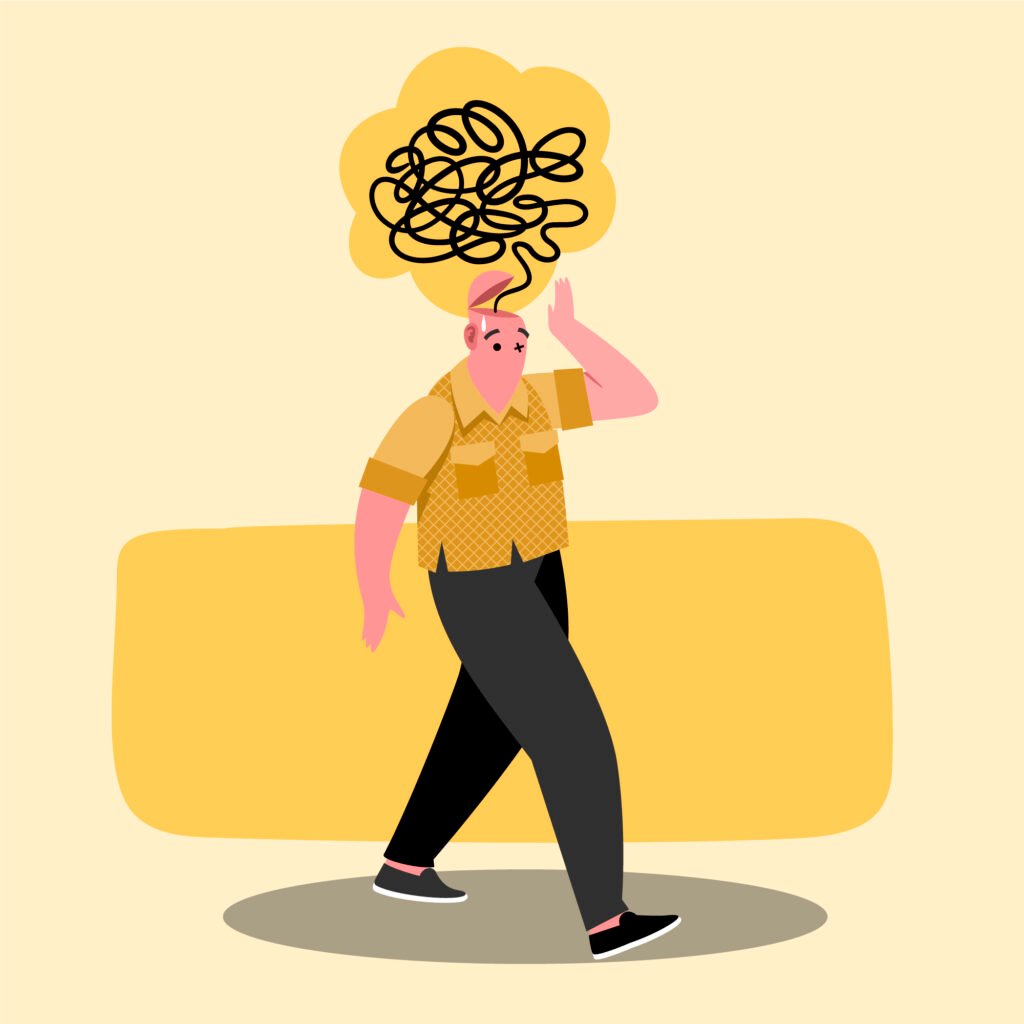
Agitation is a complex neuropsychiatric syndrome characterized by restlessness, heightened arousal, and often disruptive behavioral symptoms. While agitation can occur as a normal response to stress, persistent or severe episodes may indicate underlying neurological, psychiatric, or medical conditions. Understanding agitation enables better recognition of its causes and helps guide appropriate treatment strategies.
What Is Agitation?
Agitation refers to a state of increased motor activity, emotional distress and restlessness that cannot be easily controlled. It manifests through both internal features (hyperresponsiveness, racing thoughts, emotional tension) and external signs (motor hyperactivity, verbal outbursts, communication difficulties). In neurological contexts, agitation often represents the brain’s response to dysfunction in frontal lobe circuits that regulate behavior and emotional control.
For comprehensive information, visit the Alzheimer’s Association for dementia-related agitation or the National Institute of Mental Health for psychiatric causes.
Signs and Symptoms
Agitation presents across a spectrum from mild restlessness to severe behavioral disturbance:
| Severity Level | Behavioral Signs | Physical Signs |
|---|---|---|
| Mild Agitation | Fidgeting, pacing, hand-wringing | Muscle tension, rapid heartbeat |
| Moderate Agitation | Verbal outbursts, inability to sit still | Sweating, tremors, hyperventilation |
| Severe Agitation | Physical aggression, destructive behavior | Self-injurious behaviors (skin picking, lip biting) |
Additional symptoms include irritability, hostility, confusion, disorientation and paranoia. In dementia patients, agitation may manifest as sundowning (increased restlessness in the evening), resistance to care, or repetitive vocalizations.
Causes and Risk Factors
Agitation has diverse underlying causes that vary by patient population:
Neurological Causes:
Dementia: Present in 30-80% of patients with Alzheimer’s disease, frontotemporal dementia, or Lewy body disease
Delirium: Acute confusion states often accompanied by agitation
Stroke or Brain Injury: Damage to frontal lobe circuits regulating behavior
Psychiatric Causes:
Bipolar Disorder: Manic episodes frequently include psychomotor agitation
Depression: Severe agitation may accompany major depressive episodes
Anxiety Disorders: Generalized anxiety, panic disorder, or PTSD
Medical and Environmental Factors:
Medication Effects: Stimulants, antidepressants, or withdrawal from sedatives
Pain or Discomfort: Unrecognized physical pain, especially in dementia
Environmental Triggers: Overstimulation, changes in routine, or unfamiliar settings
Learn more about risk factors from the International Psychogeriatric Association.
How Agitation Is Diagnosed
Clinical Assessment: Detailed history of symptom onset, triggers, duration and severity patterns.
Medical Evaluation: Physical exam and laboratory tests to identify reversible causes (infections, metabolic disorders).
Neurological Testing: Cognitive assessment and brain imaging if structural causes are suspected.
Standardized Rating Scales: Cohen-Mansfield Agitation Inventory (CMAI) or Neuropsychiatric Inventory (NPI) to quantify symptoms.
Environmental Assessment: Review of medications, sleep patterns, pain levels and psychosocial stressors.
Dr. Singh employs a systematic diagnostic approach to identify both the immediate triggers and underlying causes of agitation.
Treatment and Management
Effective agitation management prioritizes non-pharmacological interventions before considering medications:
Non-Pharmacological Approaches:
Environmental Modifications: Reducing noise, maintaining consistent routines, adequate lighting
Behavioral Interventions: De-escalation techniques, validation therapy, redirection strategies
Activity-Based Therapies: Music therapy, pet therapy, structured recreational activities
Person-Centered Care: Addressing individual needs, preferences and comfort
Pharmacological Treatments:
Mild-Moderate Agitation: SSRIs (citalopram), trazodone for sleep-related agitation
Severe Agitation: Atypical antipsychotics (risperidone, aripiprazole) with careful monitoring
Dementia with Lewy Bodies: Cholinesterase inhibitors preferred over antipsychotics due to sensitivity
Emergency Management: Intramuscular olanzapine or lorazepam for immediate safety concerns
Safety Measures:
Physical restraints should be avoided whenever possible due to risks of injury and psychological trauma. Chemical restraints (rapid sedation) are reserved for situations where patient or staff safety is immediately threatened.
Explore comprehensive behavioral management strategies on our Treatments page.
Taking the Next Step
If you or a loved one experiences persistent agitation that interferes with daily activities or safety, prompt evaluation is essential to identify treatable causes.
Schedule your assessment via our Book Appointment page.
For urgent concerns or support, visit our Contact Us page.
Return to our Home page for ongoing resources and updates.