Brain Fever
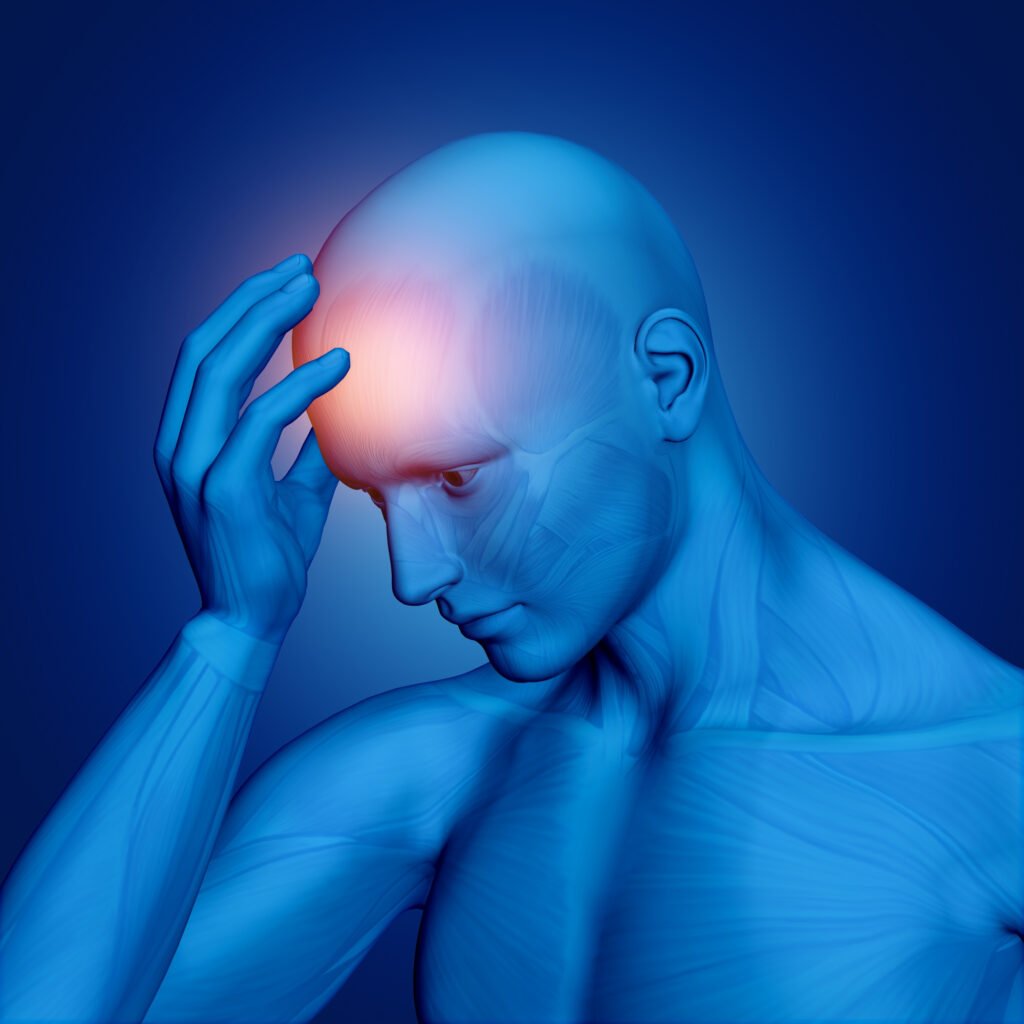
Brain fever is a colloquial term commonly used to describe encephalitis—inflammation of the brain tissue—and sometimes meningitis—inflammation of the protective membranes surrounding the brain and spinal cord. While “brain fever” isn’t a precise medical term, these conditions are serious neurological emergencies that require immediate medical attention and can be life-threatening if not treated promptly.
What Is Brain Fever?
The term “brain fever” typically refers to two distinct but related conditions:
Encephalitis: Direct inflammation of brain tissue, causing swelling and altered brain function. Meningitis: Inflammation of the meninges (protective membranes covering the brain and spinal cord). Meningoencephalitis: When both conditions occur simultaneously, affecting both the brain tissue and surrounding membranes.
For authoritative information, visit the National Institute of Neurological Disorders and Stroke or the Centers for Disease Control and Prevention.
Signs and Symptoms
Brain fever symptoms can develop rapidly and vary in severity. Early recognition is crucial:
| Condition | Common Symptoms | Severe Symptoms |
|---|---|---|
| Encephalitis | Fever, headache, fatigue, body aches | Confusion, seizures, hallucinations, loss of consciousness |
| Meningitis | High fever, severe headache, neck stiffness | Skin rash, double vision, extreme sensitivity to light |
| Both Conditions | Nausea, vomiting, irritability, drowsiness | Memory loss, speech problems, muscle weakness |
Infant-Specific Warning Signs:
Bulging fontanel (soft spot on head)
Constant crying or unusual irritability
Poor feeding or refusing to wake for feeds
Body stiffness
Lethargy
These symptoms constitute medical emergencies requiring immediate hospitalization.
Causes and Risk Factors
Brain fever can result from infectious and non-infectious causes:
Viral Infections (Most Common):
Herpes simplex virus, West Nile virus
Enteroviruses, rabies virus
Insect-borne viruses (mosquito and tick-borne)
Bacterial Infections:
Streptococcus pneumoniae, Neisseria meningitidis
Haemophilus influenzae (reduced due to vaccination)
Other Infectious Causes:
Fungal infections (Cryptococcus, Histoplasma)
Parasitic infections (Toxoplasma gondii)
Non-Infectious Causes:
Autoimmune disorders (immune system attacking brain tissue)
Cancer-related (paraneoplastic syndromes)
Certain medications or toxins
Risk Factors:
Age (children, elderly, and immunocompromised individuals)
Weakened immune system (HIV/AIDS, immunosuppressive drugs)
Geographic location (areas with tick/mosquito-borne diseases)
Seasonal factors (some infections more common in specific seasons)
Learn about prevention strategies from the World Health Organization.
How Brain Fever Is Diagnosed
Rapid diagnosis is essential for optimal outcomes:
Emergency Evaluation: Immediate assessment of vital signs, mental status and neurological function.
Lumbar Puncture (Spinal Tap): Analysis of cerebrospinal fluid to identify infections and inflammation markers.
Blood Tests: Complete blood count, inflammatory markers, and pathogen-specific tests.
Brain Imaging: CT or MRI scans to detect brain swelling, hemorrhage or structural abnormalities.
Electroencephalogram (EEG): To detect seizure activity or abnormal brain electrical patterns.
Dr. Singh utilizes comprehensive emergency protocols to ensure rapid, accurate diagnosis and immediate treatment initiation.
Treatment and Management
Treatment depends on the underlying cause and requires intensive medical care:
Infectious Encephalitis/Meningitis:
Antiviral Medications: Acyclovir for herpes simplex, though many viral causes have no specific treatment
Antibiotics: Immediate broad-spectrum antibiotics for bacterial causes
Antifungals: For fungal infections, especially in immunocompromised patients
Autoimmune Encephalitis:
Corticosteroids: High-dose steroids to reduce inflammation
Immunosuppressive Therapy: IVIG or plasma exchange for severe cases
Tumor Treatment: If cancer-related (paraneoplastic)
Supportive Care:
Intensive Monitoring: Continuous neurological assessment and vital sign monitoring
Seizure Control: Anticonvulsant medications
Brain Swelling Management: Medications to reduce intracranial pressure
Respiratory Support: Mechanical ventilation if needed
Rehabilitation: Physical, occupational, and speech therapy for recovery
Long-term Management:
Follow-up Therapy: Brain rehabilitation, cognitive therapy
Complication Management: Treatment of hearing loss, memory problems, or seizure disorders
Explore comprehensive neurological care on our Treatments page.
Taking the Next Step
Brain fever is a medical emergency. If you or someone you know experiences sudden fever with confusion, severe headache, neck stiffness or altered consciousness, seek immediate emergency care.
For urgent consultations or follow-up care, visit our Book Appointment page.
For questions or support, reach out via our Contact Us page.
Return to our Home page for ongoing resources and updates.