Alzheimer's Disease
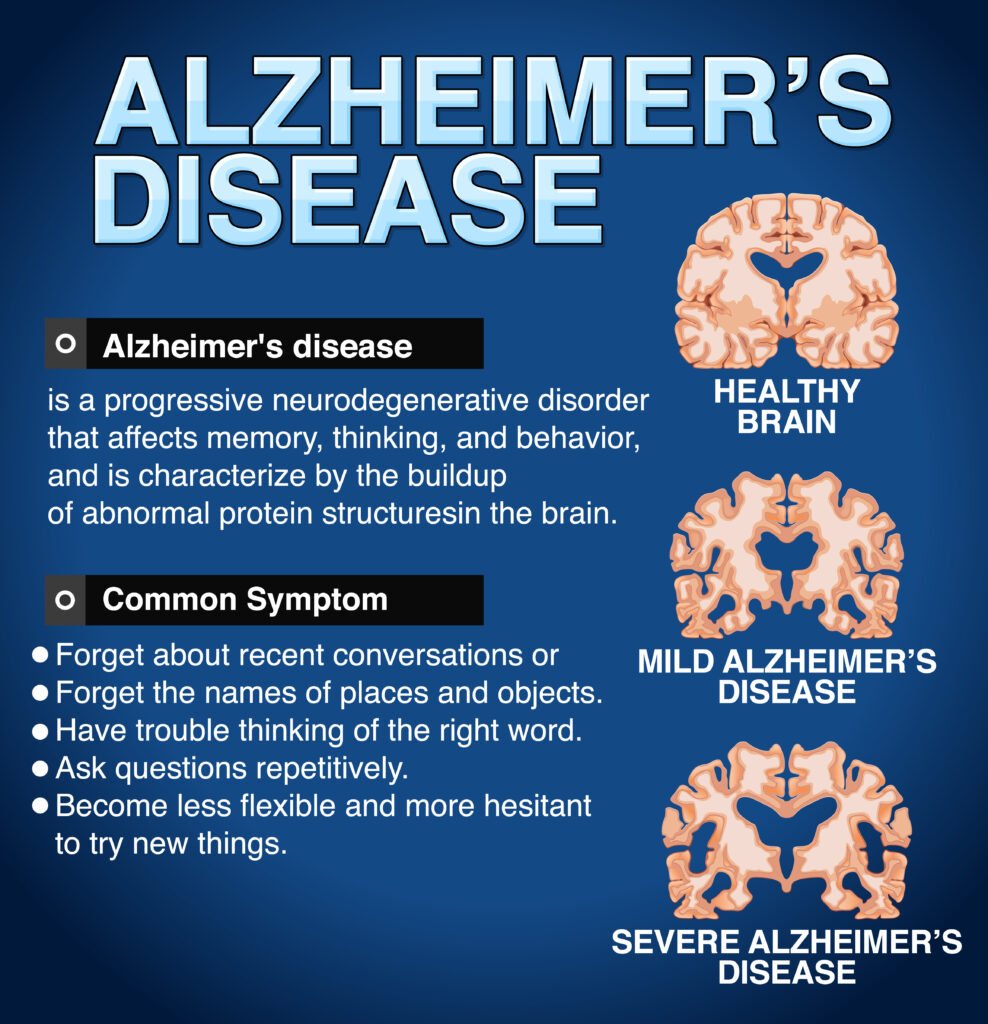
Alzheimer’s disease is a progressive neurological disorder that affects memory, thinking and behavior. It is the most common cause of dementia, impacting millions of families worldwide. Understanding Alzheimer’s can help you recognize early signs, seek timely care and explore treatment options to maintain quality of life.
What Is Alzheimer’s Disease?
Alzheimer’s disease occurs when nerve cells (neurons) in the brain degenerate and die, leading to a steady decline in mental function. In the early stages, memory lapses and mild confusion are common. As the disease advances, individuals may experience difficulty with language, disorientation, mood swings and loss of independent function.
For more on how Alzheimer’s affects the brain, visit the Alzheimer’s Association.
Signs and Symptoms
Early detection is key. Below is a summary of common signs and symptoms:
| Sign/Symptom | Description |
|---|---|
| Memory Loss That Disrupts Daily Life | Repeating questions, forgetting recent conversations or misplacing items. |
| Challenges in Problem-Solving or Planning | Trouble following a familiar recipe, handling finances or concentrating. |
| Difficulty Completing Familiar Tasks | Struggling to drive to a known location or manage a daily routine. |
| Language and Communication Problems | Forgetting simple words, calling objects by the wrong name or losing track of what you’re saying. |
| Disorientation to Time and Place | Becoming lost in a familiar neighborhood or not knowing the current date. |
| Mood and Personality Changes | Sudden irritability, anxiety or depression without an apparent cause. |
These symptoms may overlap with other conditions. A thorough evaluation by a neurologist can clarify the diagnosis.
Causes and Risk Factors
Alzheimer’s arises from a combination of genetic, environmental and lifestyle factors:
Genetic Variants: Mutations in the APP, PSEN1 and PSEN2 genes increase risk.
Age: Risk doubles every five years after age 65.
Family History: Having a first-degree relative with Alzheimer’s raises your chances.
Cardiovascular Health: Diabetes, hypertension and high cholesterol can contribute.
Lifestyle Factors: Smoking, sedentary habits and poor diet may accelerate decline.
Learn more about prevention strategies from the National Institutes of Health.
How Alzheimer’s Is Diagnosed
Medical History & Physical Exam: A review of symptoms, medications and overall health.
Cognitive Tests: Standardized assessments of memory, attention and problem-solving.
Laboratory Tests: Blood work or imaging to rule out other causes of dementia-like symptoms.
Brain Imaging: MRI or CT scans to identify changes in brain structure.
Dr. Singh combines state-of-the-art diagnostics with compassionate care to ensure accuracy and comfort throughout the process.
Treatment and Management
While there is no cure for Alzheimer’s, early intervention can help manage symptoms and maintain quality of life. Treatment approaches include:
Medications: Cholinesterase inhibitors (e.g., donepezil) and NMDA receptor antagonists (e.g., memantine) to improve cognition.
Lifestyle Modifications: Regular physical activity, a Mediterranean-style diet and brain-stimulating activities.
Supportive Therapies: Occupational therapy, counseling and social engagement to preserve independence and well-being.
Emerging Therapies: Clinical trials and new biologics are advancing the frontier of Alzheimer’s care.
Explore all available options on our Treatments page.
Taking the Next Step
If you or a loved one notices signs of memory loss or cognitive changes, don’t wait. Early evaluation can make a crucial difference.
To schedule a consultation, visit our Book Appointment page.
For any questions or further information, feel free to Contact Us.
Return to our Home page at any time for updates and resources.