Encephalitis
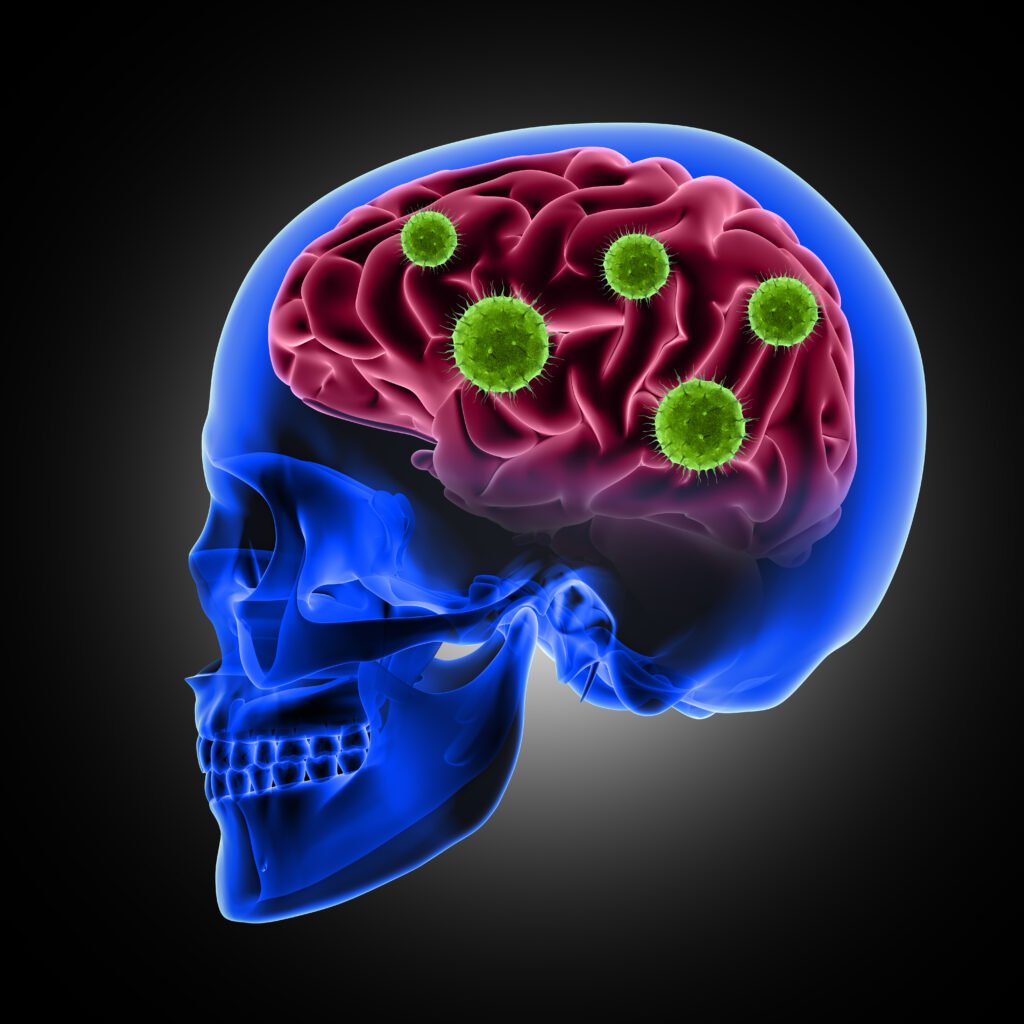
Encephalitis is a serious neurological condition characterized by inflammation of the brain tissue. This inflammation can cause swelling, altered brain function and a range of neurological symptoms from mild confusion to coma. Early recognition and prompt treatment are crucial to prevent complications and improve outcomes.
What Is Encephalitis?
Encephalitis occurs when brain tissue becomes inflamed, usually due to viral infections, though bacterial, fungal, parasitic or autoimmune causes are also possible. The inflammation disrupts normal brain function, potentially affecting memory, behavior, motor skills and consciousness. The severity can range from mild, flu-like symptoms to life-threatening complications.
For comprehensive information, visit the National Institute of Neurological Disorders and Stroke or the Encephalitis Society.
Signs and Symptoms
Encephalitis symptoms can develop suddenly or gradually over days to weeks:
| Symptom Category | Mild to Moderate Symptoms | Severe Symptoms |
|---|---|---|
| General | Fever, headache, fatigue, muscle aches | High fever, severe headache, extreme lethargy |
| Neurological | Confusion, disorientation, memory problems | Seizures, loss of consciousness, coma |
| Behavioral | Irritability, mood changes, personality alterations | Hallucinations, aggressive behavior, psychosis |
| Motor | Muscle weakness, tremors, coordination problems | Paralysis, abnormal movements, speech difficulties |
| Sensory | Sensitivity to light (photophobia), vision changes | Double vision, hearing loss, sensory loss |
Age-Specific Presentations:
Infants: Bulging fontanel, constant crying, poor feeding, body stiffness
Children: Behavioral changes, difficulty concentrating, developmental regression
Adults: Memory loss, personality changes, language difficulties
These symptoms may be mistaken for other conditions, making professional evaluation essential.
Causes and Risk Factors
Encephalitis has diverse causes, broadly categorized as infectious and autoimmune:
Viral Causes (Most Common):
Herpes Simplex Virus: Most serious viral cause, particularly HSV-1
Arboviruses: West Nile virus, Eastern equine encephalitis, Japanese encephalitis
Common Viruses: Influenza, measles, mumps, varicella-zoster
Enteroviruses: More common in children and immunocompromised individuals
Other Infectious Causes:
Bacterial: Following meningitis or as complications of systemic infections
Fungal: Cryptococcus, Histoplasma (more common in immunocompromised)
Parasitic: Toxoplasma gondii, especially in HIV patients
Autoimmune Encephalitis:
Anti-NMDA Receptor: Often associated with ovarian teratomas in young women
Limbic Encephalitis: May be paraneoplastic (cancer-related)
Post-Infectious: Following viral infections or vaccinations (rare)
Risk Factors:
Age (very young or elderly)
Immunosuppression (HIV/AIDS, cancer treatment, organ transplant)
Geographic location (endemic areas for specific viruses)
Seasonal exposure (mosquito/tick-borne diseases)
Recent travel to endemic areas
Learn more about prevention from the Centers for Disease Control and Prevention.
How Encephalitis Is Diagnosed
Rapid diagnosis is critical for optimal treatment outcomes:
Clinical Assessment: Neurological examination, mental status evaluation and symptom history.
Lumbar Puncture: Cerebrospinal fluid analysis for white blood cells, protein levels and pathogen identification.
Brain Imaging: MRI preferred over CT to detect inflammation patterns, hemorrhage or structural changes.
Laboratory Tests:
Blood cultures and viral studies
Autoimmune markers and paraneoplastic antibodies
PCR testing for specific viruses (HSV, West Nile, etc.)
Electroencephalogram (EEG): To detect seizure activity or characteristic patterns (e.g., temporal lobe changes in HSV encephalitis).
Dr. Singh employs comprehensive emergency protocols combining rapid diagnostics with immediate therapeutic intervention.
Treatment and Management
Treatment depends on the underlying cause and disease severity:
Antiviral Therapy:
Acyclovir: First-line treatment for HSV encephalitis, most effective when started early
Ganciclovir or Foscarnet: For cytomegalovirus in immunocompromised patients
Supportive Care: Most viral causes have no specific antiviral treatment
Autoimmune Encephalitis:
Corticosteroids: High-dose methylprednisolone to reduce inflammation
Immunotherapy: Intravenous immunoglobulin (IVIG) or plasma exchange
Second-line Agents: Rituximab, cyclophosphamide for refractory cases
Tumor Removal: If paraneoplastic syndrome is identified
Supportive Care:
Seizure Management: Anticonvulsants (levetiracetam, phenytoin)
Intracranial Pressure Control: Osmotic agents, positioning, surgical decompression if needed
Intensive Monitoring: Continuous neurological assessment and vital signs
Rehabilitation: Physical, occupational and speech therapy during recovery
Long-term Management:
Cognitive Rehabilitation: Memory training, attention exercises
Behavioral Support: Counseling for personality or mood changes
Seizure Monitoring: Long-term anticonvulsant therapy may be needed
Explore comprehensive neurological care on our Treatments page.
Taking the Next Step
Encephalitis is a medical emergency requiring immediate hospital evaluation. If you or someone experiences fever with confusion, severe headache, seizures or altered consciousness, seek emergency care without delay.
For follow-up care and rehabilitation planning, visit our Book Appointment page.
For questions or support during recovery, contact us via our Contact Us page.
Return to our Home page for ongoing resources and updates.