Epilepsy
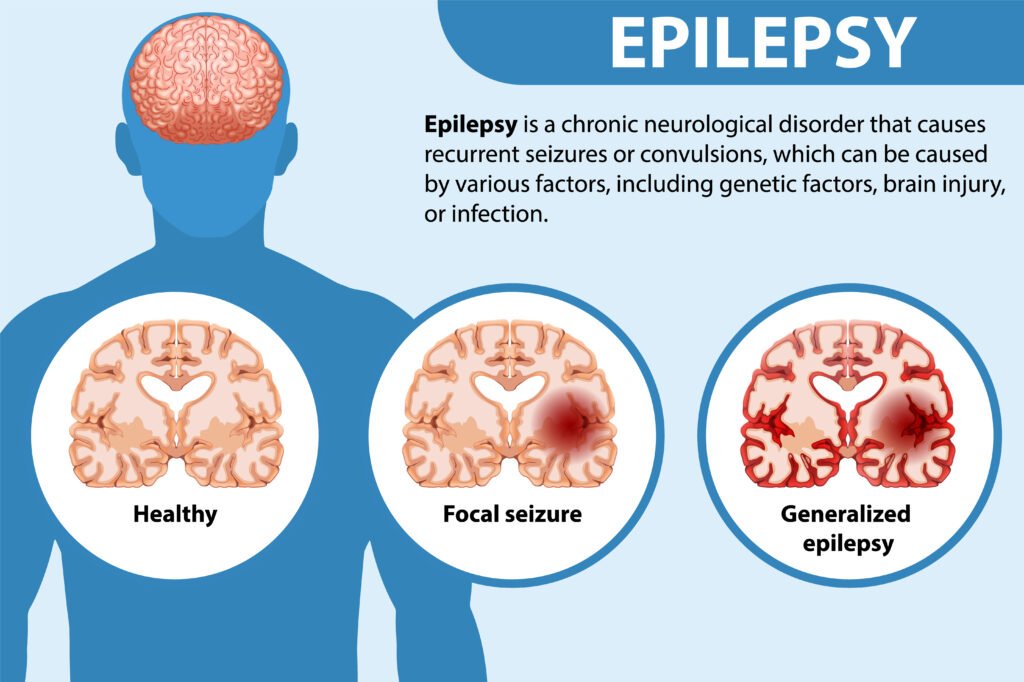
Epilepsy is a neurological disorder characterized by recurrent, unprovoked seizures resulting from abnormal electrical activity in the brain. It affects people of all ages and can vary widely in severity, frequency and impact on daily life. Learning about epilepsy empowers patients and families to recognize seizures, seek timely care and access effective treatments.
What Is Epilepsy?
Epilepsy occurs when clusters of neurons in the brain fire excessively and synchronously, triggering seizures. Seizures can manifest as brief lapses in awareness, muscle jerks or convulsions. While a single seizure does not constitute epilepsy, the condition is diagnosed after two or more unprovoked seizures at least 24 hours apart.
For a comprehensive overview, see the Epilepsy Foundation.
Signs and Symptoms
Seizure types and symptoms vary. Common manifestations include:
| Seizure Type | Description |
|---|---|
| Focal Aware Seizures (Simple Partial) | Localized twitching, sensory changes (tingling, visual distortions) without loss of awareness. |
| Focal Impaired Awareness Seizures | Confusion, automatisms (lip-smacking, fumbling) and impaired responsiveness. |
| Generalized Tonic–Clonic Seizures | Stiffening (tonic) followed by rhythmic jerking (clonic), often with loss of consciousness. |
| Absence Seizures | Brief staring spells or “blanking out,” typically lasting only a few seconds. |
| Myoclonic Seizures | Sudden, brief muscle jerks affecting one part or the entire body. |
| Atonic Seizures | Sudden loss of muscle tone, leading to falls or head nods. |
Because seizure presentations overlap with other conditions, a thorough neurological evaluation is essential.
Causes and Risk Factors
Epilepsy arises from diverse factors, often categorized as idiopathic, symptomatic or cryptogenic:
Genetic Influences: Variants in genes such as SCN1A, GABRA1 and others can predispose to epilepsy.
Brain Injuries: Stroke, traumatic brain injury or brain tumors may trigger symptomatic epilepsy.
Infections: Central nervous system infections like meningitis or encephalitis increase risk.
Developmental Disorders: Conditions such as autism spectrum disorder or cerebral palsy are often associated.
Metabolic and Immune Disorders: Abnormalities in metabolism or autoimmune encephalitis can provoke seizures.
Unknown Origins: In many cases, the precise cause remains undetermined.
Explore risk factors and prevention tips on the National Institutes of Health.
How Epilepsy Is Diagnosed
Clinical History & Examination: Detailed seizure description, medical history and neurological exam.
Electroencephalogram (EEG): Records electrical activity to identify epileptiform discharges.
Neuroimaging: MRI or CT scans to detect structural lesions or abnormalities.
Laboratory Tests: Blood tests to rule out metabolic, infectious or toxic causes.
Video-EEG Monitoring: Combines EEG with video to capture and analyze seizure events in real time.
Dr. Singh utilizes advanced diagnostic protocols to ensure accurate classification and personalized treatment planning.
Treatment and Management
While many patients achieve seizure control, epilepsy care is highly individualized:
Anti-Seizure Medications: First-line therapies include levetiracetam, valproate and carbamazepine tailored to seizure type.
Ketogenic Diet: A high-fat, low-carbohydrate regimen shown to reduce seizures in some children and adults.
Vagus Nerve Stimulation (VNS): Implantable device that delivers electrical pulses to the vagus nerve to decrease seizure frequency.
Responsive Neurostimulation (RNS): Brain-implanted system that detects abnormal activity and delivers targeted stimulation.
Surgical Intervention: Resection of epileptogenic zones for drug-resistant focal epilepsy.
Lifestyle and Support: Stress management, sleep hygiene and seizure first-aid education for patients and caregivers.
Learn more about specialized therapies on our Treatments page.
Taking the Next Step
If you or a loved one experiences unexplained seizures or seizure-like events, consult a specialist without delay. Early evaluation and optimization of therapy can significantly improve outcomes.
Schedule your evaluation on the Book Appointment page.
Contact our team for inquiries or support via the Contact Us page.
Return to our Home page at any time for additional resources and patient stories.