Functional Neurological Disorder
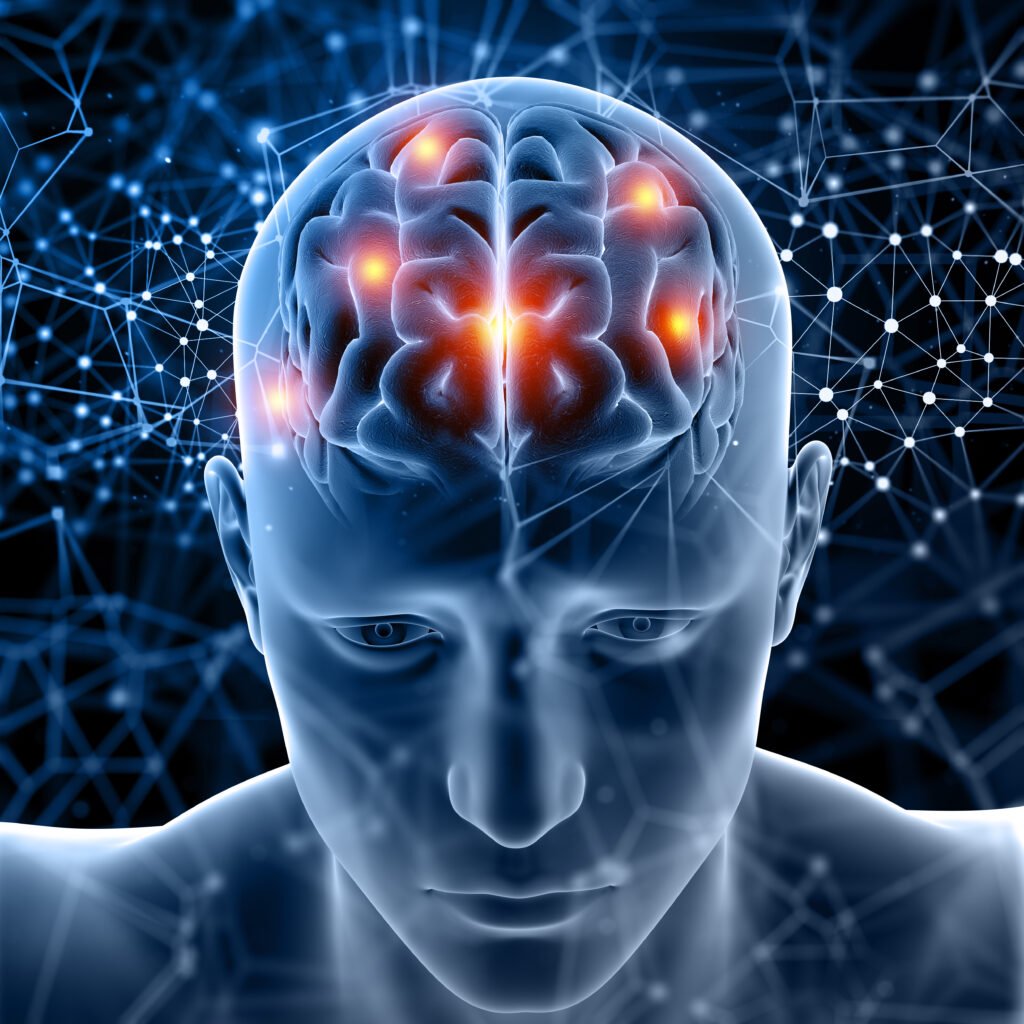
Functional Neurological Disorder (FND) is a neurological condition characterized by genuine physical symptoms that cannot be explained by structural brain damage or traditional neurological diseases. Previously known as conversion disorder, FND represents a disruption in how the brain networks function rather than damage to brain structure itself, making it a unique intersection of neurology and psychiatry.
What Is Functional Neurological Disorder?
FND occurs when the normal pathways the brain uses for movement, sensation, speech and thinking become disrupted, even though the brain’s physical structure remains intact. Think of it as a “software problem” in the brain—like a computer program not working properly while the hardware remains undamaged. The symptoms are real, involuntary and can be severely disabling, despite not arising from structural brain abnormalities.
For comprehensive information, visit the National Institute of Neurological Disorders and Stroke or FND Hope.
Signs and Symptoms
FND can manifest with diverse neurological symptoms that vary significantly between individuals:
| Symptom Category | Common Manifestations |
|---|---|
| Motor Symptoms | Weakness or paralysis, abnormal movements (tremors, dystonia, myoclonus), gait problems, balance issues |
| Seizure-Like Episodes | Non-epileptic seizures, episodes of shaking, altered awareness, loss of consciousness |
| Sensory Symptoms | Numbness, loss of sensation, hemisensory syndrome (altered sensation on one side), pain |
| Speech and Swallowing | Dysphonia (whispering speech), slurred speech, stuttering, difficulty swallowing |
| Visual and Hearing | Vision loss, double vision, blindness, hearing problems or deafness |
| Cognitive Symptoms | Memory problems, concentration difficulties, cognitive impairment |
Symptoms may be intermittent or persistent, can fluctuate in severity, and often follow specific patterns that help distinguish FND from other neurological conditions.
Causes and Risk Factors
The exact cause of FND remains unknown, but several factors may contribute:
Potential Triggers:
Physical or psychological trauma
Severe stress or emotional conflict
Other neurological conditions
Medical procedures or hospitalizations
Risk Factors:
Female gender (more common before age 50)
History of mental health conditions
Chronic pain or fatigue
Childhood abuse, neglect or trauma
Ongoing life stressors
Important Note: Unlike the previous diagnostic criteria for conversion disorder, FND diagnosis no longer requires identification of a psychological stressor. Many patients have no identifiable trigger, and the condition is not simply “psychological”.
Learn more about current research from the Functional Neurological Disorder Society.
How FND Is Diagnosed
FND diagnosis is now a “rule-in” rather than “rule-out” diagnosis, based on positive clinical signs rather than absence of other conditions:
Clinical Examination: Neurological assessment revealing specific positive signs inconsistent with known neurological diseases.
Diagnostic Criteria: Based on DSM-5 criteria including incompatibility with recognized neurological conditions.
Specialized Testing: EEG, EMG, or imaging may be used to rule out other conditions, but normal results don’t confirm FND.
Positive Clinical Signs: Specific examination findings with high specificity (64-100%) for functional symptoms.
Dr. Singh employs evidence-based clinical examination techniques and validated diagnostic criteria to ensure accurate FND diagnosis.
Treatment and Management
FND treatment focuses on rehabilitation and symptom management through multidisciplinary approaches:
Primary Treatments:
Physical Therapy: Most effective for motor symptoms, focusing on retraining normal movement patterns
Occupational Therapy: Helps restore daily functioning and adaptive strategies
Cognitive Behavioral Therapy (CBT): Particularly beneficial for non-epileptic seizures and addressing symptom-related thoughts
Additional Therapies:
Speech Therapy: For speech, swallowing or voice symptoms
Psychotherapy: Various forms including psychodynamic therapy and trauma-focused treatment when appropriate
Education and Explanation: Understanding the diagnosis is often therapeutic in itself
Symptom-Specific Management:
Pain Management: For chronic pain associated with FND
Mental Health Treatment: Addressing concurrent anxiety, depression or PTSD
Stress Reduction: Relaxation techniques, mindfulness, progressive muscle relaxation
What NOT to Use:
Anti-seizure medications for functional seizures (may worsen symptoms)
Treatments targeting structural brain problems
Explore specialized FND treatment options on our Treatments page.
Taking the Next Step
If you experience unexplained neurological symptoms that interfere with daily life, seek evaluation from a neurologist familiar with FND. Early diagnosis and appropriate treatment can significantly improve outcomes.
Schedule your comprehensive evaluation via our Book Appointment page.
For questions or support, visit our Contact Us page.
Return to our Home page for ongoing resources and updates.