Insomnia
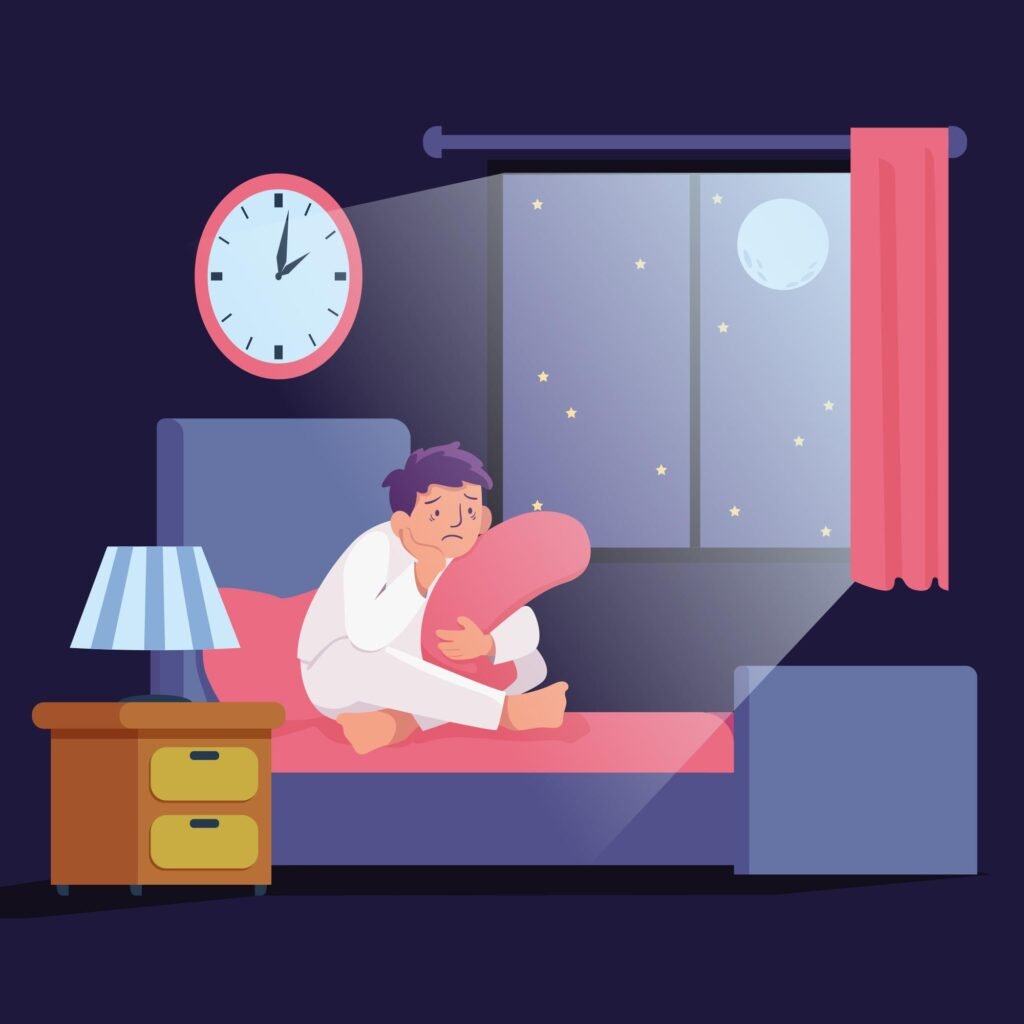
Insomnia is a common sleep disorder characterized by difficulty falling asleep, staying asleep or experiencing restorative rest. Chronic insomnia can impair daytime functioning, mood and overall health. Understanding insomnia helps you identify patterns, seek professional guidance and adopt strategies to improve sleep quality.
What Is Insomnia?
Insomnia involves persistent problems with sleep initiation, maintenance or early awakening, despite adequate opportunity for rest. It can be classified as acute (lasting days to weeks) or chronic (occurring three nights per week for at least three months).
For an authoritative definition and guidance, visit the American Academy of Sleep Medicine.
Signs and Symptoms
Insomnia presents with both nighttime and daytime features. Common symptoms include:
| Nighttime Symptom | Daytime Symptom |
|---|---|
| Difficulty Falling Asleep | Fatigue and low energy |
| Frequent Nighttime Awakenings | Impaired concentration and memory |
| Early Morning Awakening | Irritability, anxiety or mood disturbances |
| Non-Restorative Sleep | Daytime sleepiness or microsleeps |
| Lying Awake with Racing Thoughts | Reduced performance at work or school |
| Sleep Anxiety (worry about sleep) | Decreased motivation and quality of life |
Because insomnia can mimic or coexist with other disorders, a thorough assessment by a sleep specialist is recommended.
Causes and Risk Factors
Insomnia often results from a combination of medical, psychological and lifestyle factors:
Stress and Anxiety: Worry about work, relationships or health can disrupt sleep onset.
Poor Sleep Hygiene: Irregular sleep schedules, screen exposure before bed and caffeine use.
Medical Conditions: Pain, respiratory disorders, gastroesophageal reflux or neurological diseases.
Psychiatric Disorders: Depression, generalized anxiety disorder and post-traumatic stress disorder.
Medications and Substances: Stimulants, certain antidepressants and alcohol that fragment sleep.
Circadian Rhythm Disruptions: Shift work, jet lag or irregular daily routines.
Learn more about underlying factors from the National Sleep Foundation.
How Insomnia Is Diagnosed
Sleep History & Sleep Diary: Detailed record of bedtime routines, sleep duration and night awakenings.
Clinical Interview: Evaluation of medical, psychiatric and medication history.
Questionnaires and Scales: Use of tools like the Insomnia Severity Index (ISI) to quantify symptoms.
Actigraphy: Wrist‐worn devices that monitor movement and estimate sleep patterns.
Polysomnography (if indicated): Overnight sleep study to rule out sleep apnea or periodic limb movement disorder.
Dr. Singh utilizes a comprehensive approach combining patient history and objective measurements to pinpoint sleep disturbances.
Treatment and Management
Effective insomnia care often involves a combination of behavioral and pharmacological strategies:
Cognitive Behavioral Therapy for Insomnia (CBT-I): First-line treatment that addresses maladaptive thoughts and behaviors around sleep.
Sleep Hygiene Education: Consistent sleep–wake schedule, dark and quiet bedroom environment and limiting caffeine.
Relaxation Techniques: Progressive muscle relaxation, mindfulness meditation and guided imagery.
Medications (when necessary): Short-term use of non-benzodiazepine hypnotics (e.g., zolpidem) or melatonin receptor agonists.
Bright Light Therapy: Morning light exposure to reinforce circadian alignment.
Stimulus Control and Sleep Restriction: Techniques to strengthen the association between bed and sleep.
Explore detailed interventions on our Treatments page.
Taking the Next Step
If sleeplessness persists and affects your daily life, seek expert evaluation for personalized care.
Schedule your sleep assessment via our Book Appointment page.
For further inquiries or support, visit our Contact Us page.
Return to our Home page for ongoing resources and updates.