Neck and Back Pain
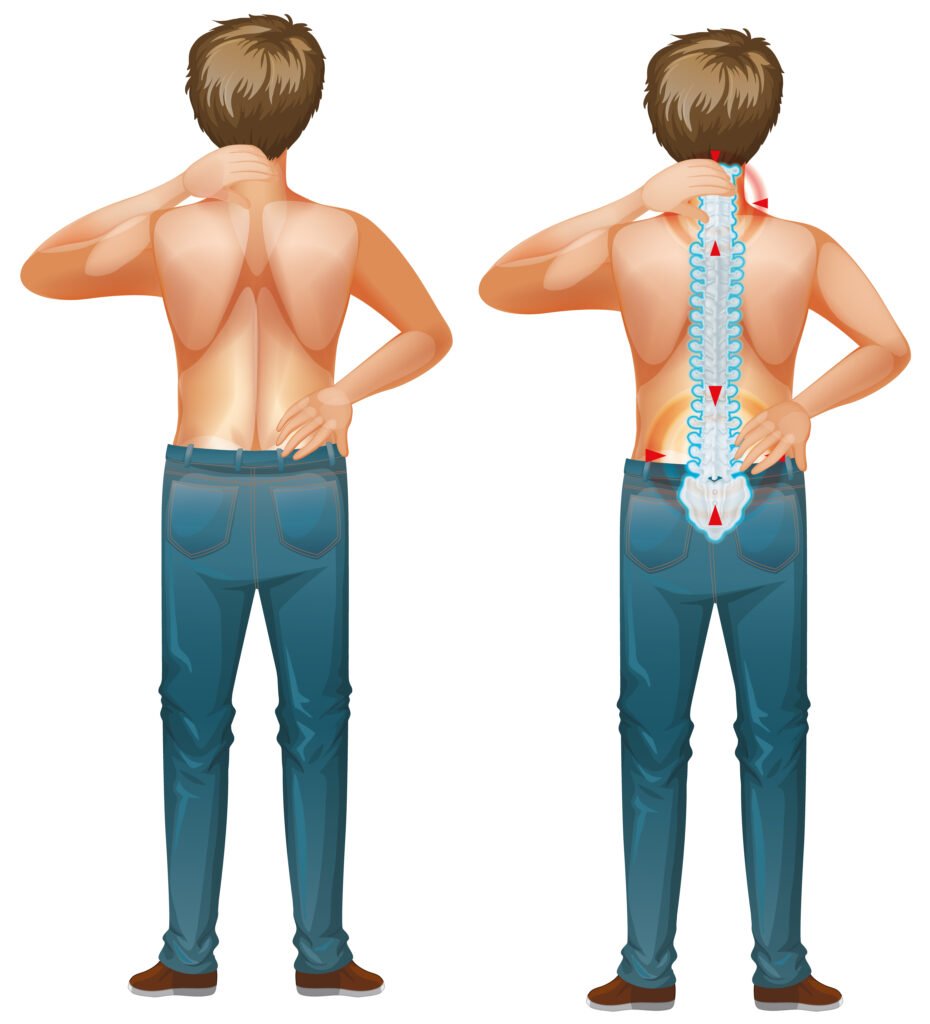
Neck and back pain are among the most common musculoskeletal complaints, affecting people of all ages and lifestyles. These conditions can range from mild stiffness to debilitating discomfort that limits daily activities. Understanding the causes, symptoms and management strategies empowers you to seek timely relief and prevent recurrence.
What Are Neck and Back Pain?
Neck pain (cervicalgia) and back pain (dorsalgia) arise from structures including muscles, ligaments, intervertebral discs, nerves and the spine itself. Acute pain often follows injury or overuse, while chronic pain may develop from degenerative changes, poor posture or underlying medical conditions.
For an in-depth overview of spine health, visit the Mayo Clinic’s guide to back pain.
Signs and Symptoms
Clinical presentation varies by region and severity. Common signs include:
| Symptom/Feature | Neck Pain | Back Pain |
|---|---|---|
| Pain Quality | Stiffness, sharp or stabbing discomfort | Dull ache, sharp spasms or burning sensation |
| Radiation | Pain may radiate into shoulders or arms | Pain may radiate into buttocks or legs (“sciatica”) |
| Mobility | Limited range of motion turning the head | Difficulty bending, twisting or standing |
| Muscle Tightness | Tension or knots in trapezius and neck muscles | Tight hamstrings, quadratus lumborum and back muscles |
| Neurological Signs | Tingling, numbness or weakness in arms | Numbness, tingling or weakness in legs |
| Aggravating Factors | Prolonged computer use, poor sleep posture | Heavy lifting, prolonged sitting or bending |
Because symptoms may overlap with serious conditions, a professional evaluation is recommended for persistent or severe pain.
Causes and Risk Factors
Neck and back pain result from an interplay of mechanical, lifestyle and medical factors:
Muscle Strain: Overuse, lifting improperly or sudden movements can strain muscles and ligaments.
Degenerative Changes: Osteoarthritis, spinal stenosis and disc degeneration increase with age.
Posture and Ergonomics: Slouching, texting with head forward and poorly adjusted workstations contribute significantly.
Injury or Trauma: Whiplash, falls or sports injuries can damage spinal structures.
Medical Conditions: Herniated discs, scoliosis, osteoporosis and inflammatory diseases (e.g., ankylosing spondylitis).
Lifestyle Factors: Sedentary habits, obesity and smoking impair tissue health and healing.
Learn preventive measures and ergonomic tips from the National Health Service’s back pain advice.
How Neck and Back Pain Are Diagnosed
Medical History & Physical Exam: Assessment of pain characteristics, activity triggers and postural alignment.
Range of Motion Tests: Evaluations of cervical and lumbar flexibility, strength and neurological status.
Imaging Studies: X-rays, MRI or CT scans to identify disc herniation, fractures or degenerative changes.
Electrodiagnostic Tests: EMG and nerve conduction studies to assess nerve involvement when radicular symptoms occur.
Laboratory Tests: Blood work if inflammatory or infectious causes are suspected.
Dr. Singh uses a tailored diagnostic approach to pinpoint the source of pain and develop an effective care plan.
Treatment and Management
Effective relief and long-term control combine medical, physical and behavioral strategies:
Medications: NSAIDs, muscle relaxants and, for severe cases, short-term opioids or nerve pain agents.
Physical Therapy: Targeted exercises to strengthen core and neck muscles, improve flexibility and correct posture.
Manual Therapies: Spinal mobilization, massage and myofascial release to reduce tension and restore movement.
Interventional Procedures: Epidural steroid injections, facet joint blocks or radiofrequency ablation for refractory pain.
Ergonomic Adjustments: Workplace assessments, supportive chairs and proper lifting techniques to minimize strain.
Lifestyle Modifications: Weight management, regular low-impact exercise (e.g., swimming, walking) and smoking cessation.
Explore detailed treatment options on our Treatments page.
Taking the Next Step
If neck or back pain persists beyond a few weeks, worsens or is accompanied by neurological symptoms, seek expert evaluation without delay. Early intervention improves outcomes and prevents chronic disability.
To arrange a consultation, visit our Book Appointment page.
For further inquiries or support, reach out via our Contact Us page.
Return to our Home page at any time for additional resources and updates.