Paralysis
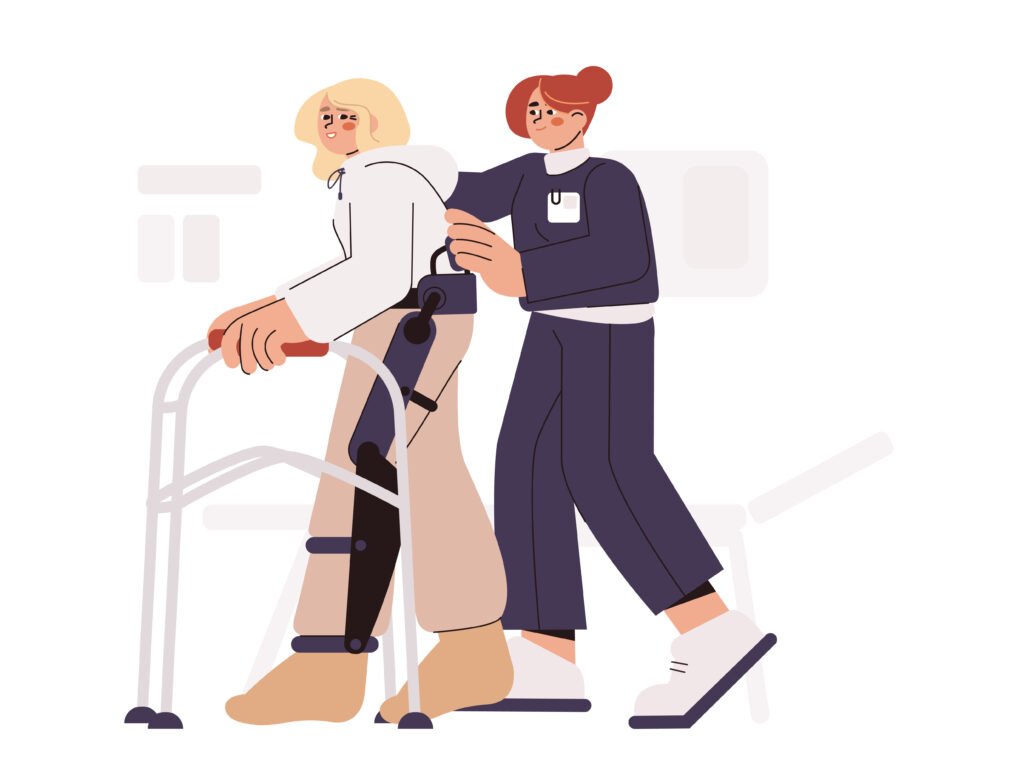
Paralysis is the loss of muscle function in part of your body, often resulting from damage to the nervous system. It can be temporary or permanent, partial (paresis) or complete (plegia), and may affect one side of the body (hemiplegia), both legs (paraplegia) or all four limbs (quadriplegia). Understanding paralysis helps patients and families navigate diagnosis, treatment and rehabilitation to maximize independence and quality of life.
What Is Paralysis?
Paralysis occurs when the pathway between the brain and muscles is disrupted—due to injury, disease or developmental conditions—preventing signals from triggering movement. The severity and pattern of paralysis depend on the location and extent of nerve damage.
For a detailed overview, see the National Institute of Neurological Disorders and Stroke.
Signs and Symptoms
Paralysis presents with motor, sensory and autonomic features. Common signs include:
| Sign/Symptom | Description |
|---|---|
| Loss of Voluntary Movement | Inability to move affected muscles despite effort |
| Muscle Weakness (Paresis) | Partial reduction in strength, may progress to complete loss |
| Flaccidity or Spasticity | Limp, floppy limbs (flaccid) or stiff, tight muscles (spastic), depending on lesion type |
| Sensory Changes | Numbness, tingling or loss of sensation in affected areas |
| Autonomic Dysfunction | Bladder, bowel or blood pressure control issues when spinal cord is involved |
| Reflex Alterations | Absent reflexes (lower motor neuron damage) or exaggerated reflexes (upper motor neuron) |
Persistent or sudden paralysis warrants immediate medical attention to identify underlying causes and limit further damage.
Causes and Risk Factors
Paralysis can result from various neurological and systemic conditions:
Stroke: Interruption of blood flow to the brain causing sudden hemiplegia
Spinal Cord Injury: Trauma from accidents or falls leading to paraplegia or quadriplegia
Multiple Sclerosis: Autoimmune demyelination causing fluctuating weakness and sensory loss
Guillain–Barré Syndrome: Rapid-onset immune-mediated polyneuropathy leading to ascending paralysis
Traumatic Brain Injury: Concussions or penetrating wounds that disrupt motor pathways
Tumors and Infections: Mass effect or inflammation compressing nerves in the brain or spinal cord
Congenital Disorders: Conditions like cerebral palsy causing non-progressive paralysis from birth
Learn more about risk factors and prevention from the World Health Organization.
How Paralysis Is Diagnosed
Medical History & Neurological Exam: Assessment of onset, pattern of weakness and associated symptoms.
Imaging Studies: MRI or CT scans to visualize brain and spinal cord lesions.
Electrophysiological Tests: EMG and nerve conduction studies to differentiate nerve versus muscle involvement.
Laboratory Evaluations: Blood tests and cerebrospinal fluid analysis to detect infections, inflammation or metabolic causes.
Specialized Assessments: Evoked potentials and autonomic testing when indicated.
Dr. Singh employs a comprehensive diagnostic approach to pinpoint the cause and level of paralysis.
Treatment and Management
Management of paralysis focuses on treating the underlying cause, preventing complications and maximizing function:
Acute Interventions: Thrombolytics for stroke, high-dose steroids for spinal cord inflammation, intravenous immunoglobulin for Guillain–Barré.
Rehabilitative Therapy: Physical and occupational therapy to strengthen unaffected muscles, maintain range of motion and train adaptive techniques.
Assistive Devices: Braces, walkers, wheelchairs and communication aids to promote mobility and independence.
Medications: Antispasticity agents (baclofen), pain management (neuropathic agents) and bladder/bowel control therapies.
Surgical Options: Decompression, nerve grafting or tendon transfers to restore function when feasible.
Supportive Care: Nutritional support, skin care to prevent pressure ulcers and psychological counseling.
Discover personalized rehabilitation programs on our Treatments page.
Taking the Next Step
If you or a loved one experiences sudden weakness or loss of movement, seek urgent evaluation. Early diagnosis and intervention can significantly improve outcomes.
Schedule an appointment via our Book Appointment page.
For inquiries or support, visit our Contact Us page.
Return to our Home page for ongoing resources and updates.