Parkinson's Disease
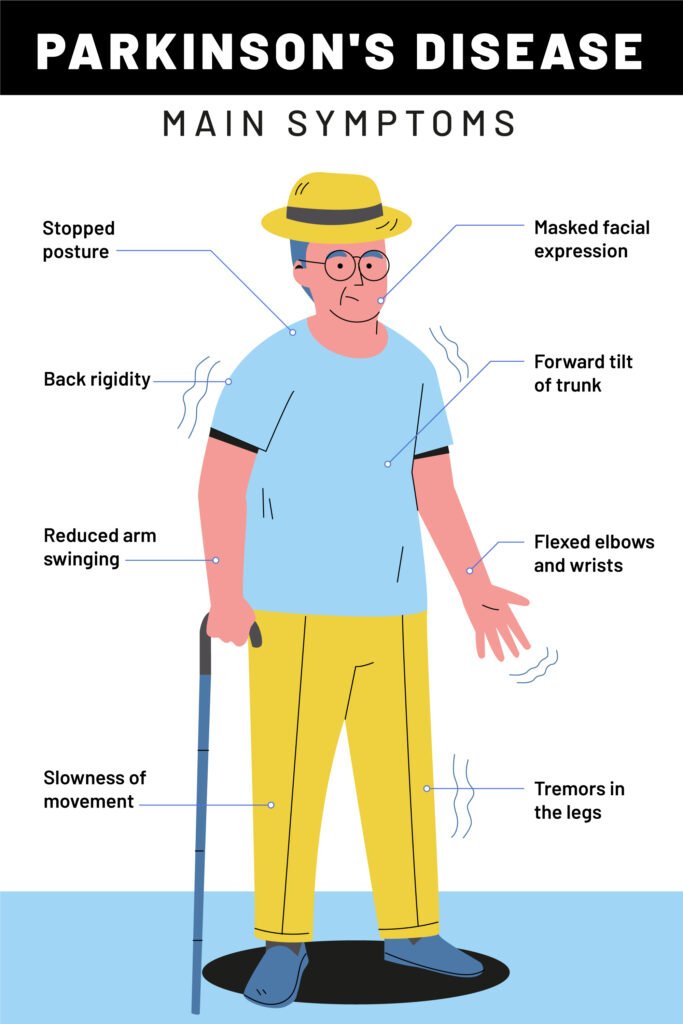
Parkinson’s disease is a progressive neurological disorder that affects movement, balance and coordination. It occurs when dopamine-producing neurons in the brain gradually break down, leading to tremors, stiffness and slowed movement. Gaining insight into Parkinson’s can help you recognize early warning signs, pursue timely evaluation and explore management strategies to maintain independence and quality of life.
What Is Parkinson’s Disease?
Parkinson’s disease arises from the loss of dopamine-producing cells in the substantia nigra, a key region of the brain that regulates movement. As dopamine levels decline, nerve cells fire aberrantly, producing characteristic motor and non-motor symptoms. Although Parkinson’s often begins subtly, symptoms worsen over time and can affect daily activities, mood and cognition.
For an overview of Parkinson’s, visit the Parkinson’s Foundation.
Signs and Symptoms
Early recognition empowers proactive care. The table below summarizes the hallmark signs and symptoms:
| Sign/Symptom | Description |
|---|---|
| Tremor | Rhythmic, involuntary shaking of hands, arms, legs or jaw, often starting on one side. |
| Bradykinesia | Slowness of movement; tasks like buttoning a shirt or walking become noticeably slower. |
| Rigidity | Muscle stiffness or inflexibility, leading to joint pain and reduced range of motion. |
| Postural Instability | Impaired balance, resulting in stooped posture and increased risk of falls. |
| Gait Changes | Shuffling steps, reduced arm swing and difficulty initiating walking (“freezing”). |
| Non-Motor Symptoms | Sleep disturbances, constipation, mood changes (depression, anxiety) and impaired sense of smell. |
These symptoms may overlap with other movement disorders. A detailed assessment by a neurologist is crucial for accurate diagnosis and personalized care.
Causes and Risk Factors
Parkinson’s disease develops from a complex interplay of genetic and environmental factors:
Genetic Mutations: Variants in the SNCA, LRRK2 and GBA genes are linked to familial and sporadic cases.
Age: Risk increases significantly after age 60.
Environmental Exposures: Pesticides, herbicides and heavy metals may contribute to neuronal damage.
Gender: Men are slightly more likely to develop Parkinson’s than women.
Head Trauma: Repeated head injuries may raise long-term risk.
Discover evidence-based prevention tips from the National Institutes of Health.
How Parkinson’s Is Diagnosed
Medical & Family History: Review of symptoms, medication side effects and family incidence.
Neurological Exam: Assessment of tremor, rigidity, reflexes and balance.
Imaging Studies: DaTscan or MRI may help rule out other conditions.
Response to Medication: Improvement with levodopa supports a Parkinson’s diagnosis.
Dr. Singh integrates advanced diagnostics with compassionate consultation to ensure clarity and support throughout the evaluation.
Treatment and Management
While there is no cure for Parkinson’s, multidisciplinary interventions can alleviate symptoms and enhance daily living:
Medications: Levodopa/carbidopa, dopamine agonists and MAO-B inhibitors to restore dopamine balance.
Physical Therapy: Customized exercises to improve strength, flexibility and gait.
Occupational Therapy: Strategies to maintain fine motor skills and adapt daily tasks.
Speech Therapy: Techniques to preserve vocal strength, clarity and swallowing safety.
Deep Brain Stimulation: Surgical implantation of electrodes to regulate abnormal brain signals.
Lifestyle Approaches: Regular aerobic exercise, balanced nutrition and stress management.
Learn more about available therapies on our Treatments page.
Taking the Next Step
If you or a loved one notices tremors, slowed movements or other warning signs, don’t delay. Early evaluation can optimize treatment outcomes.
Schedule a consultation via our Book Appointment page.
For questions or support, visit our Contact Us page.
Return anytime to our Home page for the latest resources and updates.