Stroke
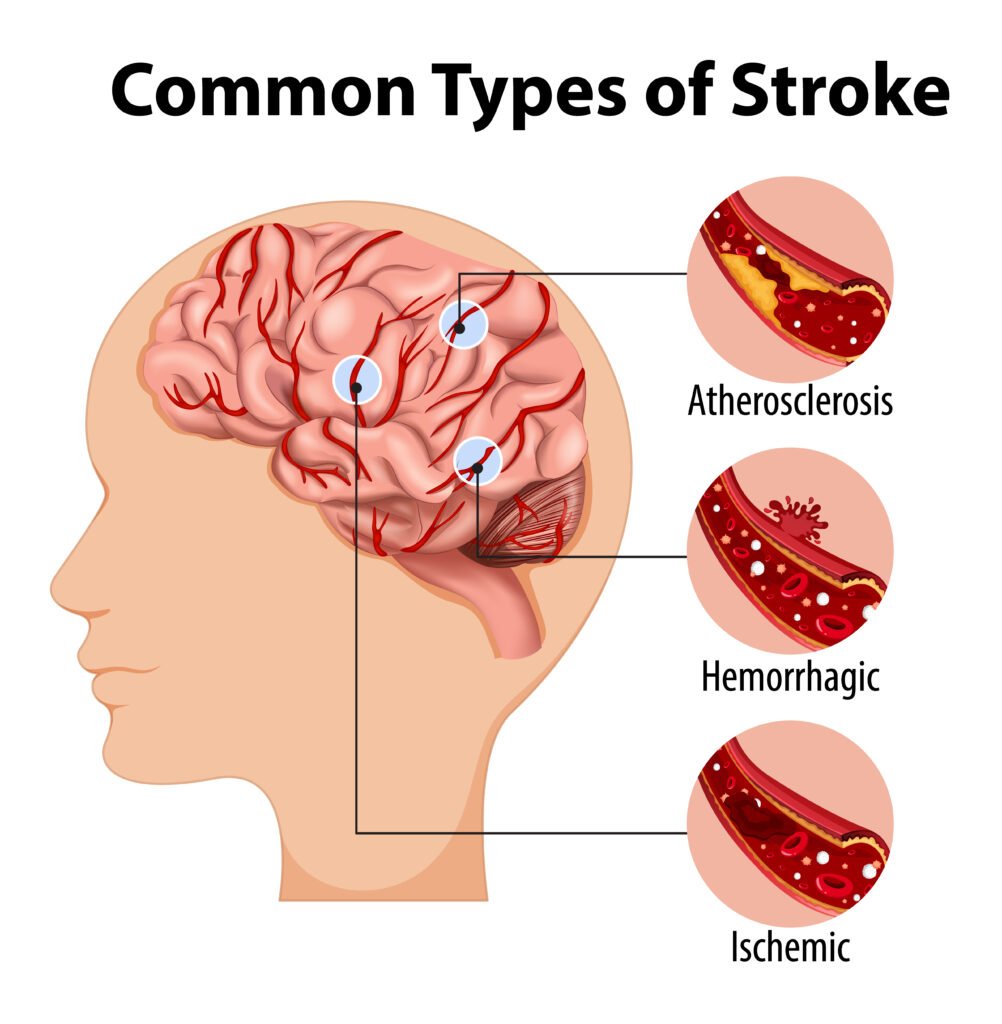
A stroke occurs when blood flow to part of the brain is interrupted or reduced, depriving brain tissue of oxygen and nutrients. Rapid recognition and treatment are critical to minimize brain damage and improve outcomes. Understanding stroke empowers you to identify warning signs, seek emergency care and access rehabilitation services.
What Is a Stroke?
There are two main types of stroke:
Ischemic Stroke: Caused by a blood clot blocking an artery in the brain (about 87% of cases).
Hemorrhagic Stroke: Occurs when a blood vessel ruptures and bleeds into the brain.
A transient ischemic attack (TIA), often called a “mini-stroke,” produces stroke-like symptoms that resolve within 24 hours but signals a high risk for a full stroke.
For detailed information, visit the American Stroke Association.
Signs and Symptoms
Immediate action can save lives. The table below summarizes common warning signs:
| Sign/Symptom | Description |
|---|---|
| Face Drooping | One side of the face droops or feels numb; uneven smile. |
| Arm Weakness | Weakness or numbness in one arm; inability to raise both arms evenly. |
| Speech Difficulty | Slurred speech, garbled words or inability to speak or understand. |
| Vision Changes | Sudden vision loss or double vision in one or both eyes. |
| Sudden Severe Headache | “Worst headache of life” with no known cause (more common in hemorrhagic stroke). |
| Balance and Coordination Issues | Trouble walking, dizziness, loss of balance or coordination. |
If you notice any of these signs, call emergency services immediately.
Causes and Risk Factors
Stroke risk factors include:
High Blood Pressure: The leading modifiable risk factor.
Atrial Fibrillation: Irregular heartbeat increases clot risk.
High Cholesterol: Promotes artery plaque buildup.
Diabetes: Damages blood vessels throughout the body.
Smoking: Increases clot formation and arterial damage.
Obesity and Sedentary Lifestyle: Contribute to hypertension and diabetes.
Family History and Age: Risk increases after age 55 and with a family history of stroke.
Learn more about prevention strategies from the National Institutes of Health.
How Stroke Is Diagnosed
Emergency Evaluation: Quick assessment of vital signs and symptom onset.
Neurological Exam: Tests strength, coordination, reflexes and speech.
Imaging Studies:
CT Scan: Differentiates ischemic from hemorrhagic stroke.
MRI: Detects smaller or early ischemic strokes.
Vascular Imaging: Carotid ultrasound, CT angiography or MR angiography to visualize blood flow.
Heart Monitoring: ECG or echocardiogram to detect atrial fibrillation or cardiac sources of clots.
Dr. Singh uses streamlined emergency protocols and advanced imaging to ensure rapid, accurate diagnosis.
Treatment and Management
Timely treatment is essential to reduce brain injury:
Ischemic Stroke:
Thrombolytics: Intravenous tPA (tissue plasminogen activator) within a narrow time window.
Mechanical Thrombectomy: Catheter-based clot removal for eligible patients.
Hemorrhagic Stroke:
Blood Pressure Control: Medications to reduce bleeding risk.
Surgical Intervention: Clot evacuation or aneurysm repair when indicated.
Post-Stroke Rehabilitation:
Physical Therapy: Improves strength and mobility.
Occupational Therapy: Restores daily living skills.
Speech Therapy: Addresses communication and swallowing challenges.
Long-Term Prevention: Antiplatelet agents, anticoagulants, cholesterol-lowering drugs and lifestyle modifications.
Explore comprehensive stroke care on our Treatments page.
Taking the Next Step
If you or someone else shows stroke symptoms, call emergency services without delay—every minute counts.
To arrange follow-up care and risk-reduction planning, visit our Book Appointment page.
For questions or support, reach out via our Contact Us page.
Return to our Home page for additional resources and updates.